

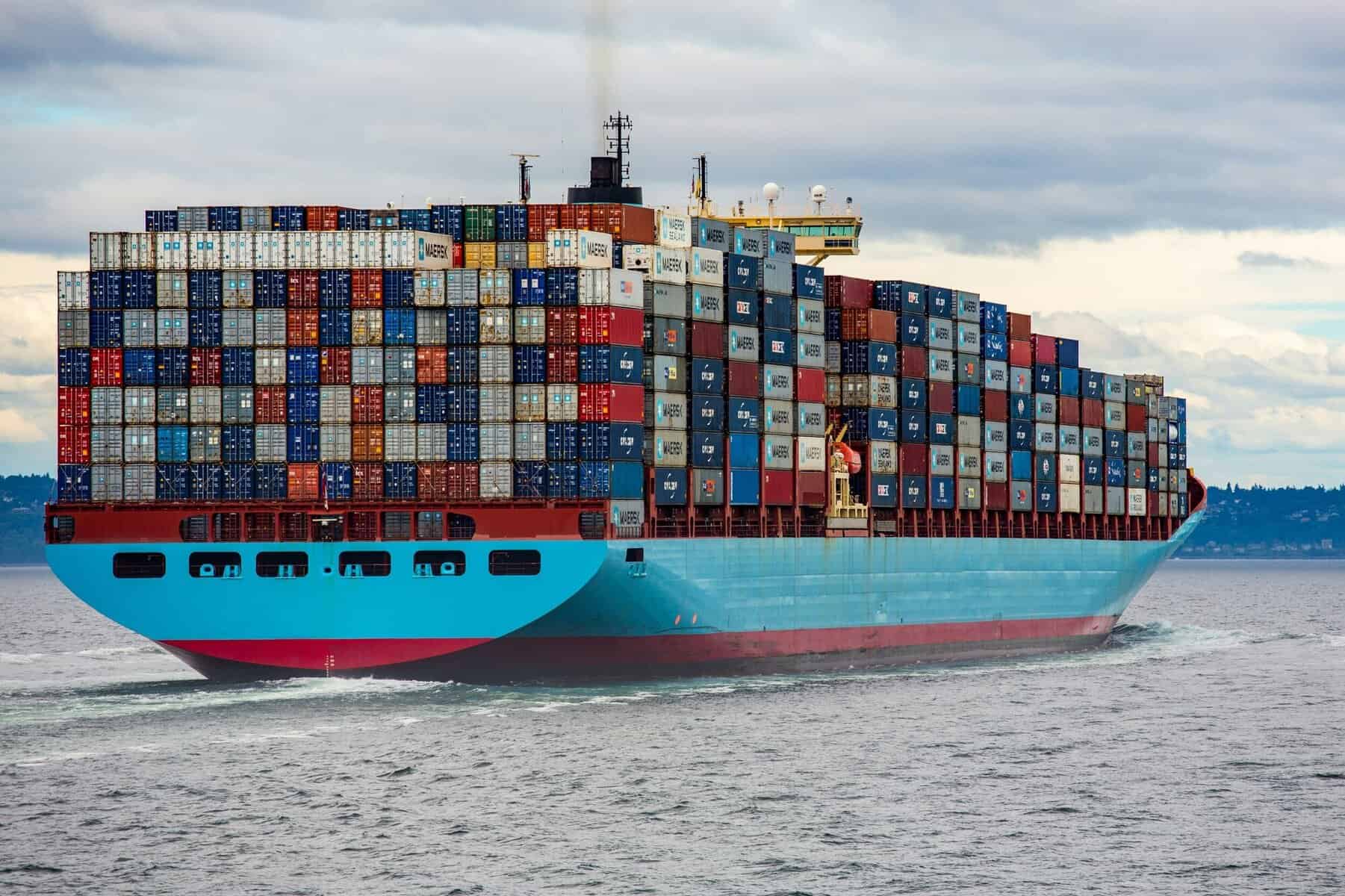
International growth is getting harder for a simple reason: geopolitics is no longer “background risk.” It is now shaping where demand forms, which routes supply chains can reliably use, which technologies can be deployed, and how quickly rules can change. Recent geopolitical analysis converges on a clear theme for 2026: the global environment is becoming more multipolar, with more actors influencing trade, regulation, security, and climate policy – often in inconsistent ways.
For companies pursuing internationalisation, that turns market entry into an operating-model decision. The winners won’t be those that pick the “best market” on paper. They’ll be the ones that design a footprint that can scale through volatility – with commercial traction, regulatory readiness, and resilience built in from day one.
Six forces that are reshaping cross-border growth
Current research typically groups the 2026 landscape into six arenas that are becoming central to competitive advantage.
1) Trade and investment are realigning – often faster than planning cycles
Trade rules, tariffs, screening of foreign investment, and “friend-shoring” incentives are producing a patchwork of new constraints and opportunities. For internationalisers, this changes the math on where to manufacture, where to hold inventory, and how to structure intercompany flows. It also means expansion plans need contingency routes – not just a single “optimal” network.
2) The tech and AI race is turning into market-access risk
Technology supply is becoming more geopolitical: data residency rules, model availability, export controls, and local compliance expectations can determine whether a product can be launched – or must be redesigned – in a given market. The strategic shift is from “choose the best tech stack” to “choose a stack that can operate across jurisdictions without becoming hostage to a single provider, country, or regulatory regime.”
3) Talent is becoming a competitive constraint
Countries are competing more aggressively for skilled people, while immigration and mobility rules remain politically sensitive and can tighten quickly. For expansion leaders, this means workforce planning can’t be an afterthought. The most resilient international growth strategies combine multiple talent levers: local hiring, regional hubs, remote delivery, and partnerships that extend capability without relying entirely on mobility.
4) Governments are intervening more in “mission-critical” sectors
Supply chain dependencies – semiconductors, energy systems, critical minerals, connectivity, logistics, dual-use technologies – are increasingly treated as strategic assets. The result is more state intervention, more compliance requirements, and more scrutiny of who supplies what to whom. For international growth, this raises the bar for supplier due diligence, contracting, and continuity planning.
5) Climate policy is diverging, even as expectations persist
Energy security, affordability, and domestic politics are creating uneven climate trajectories across regions. Many businesses now face a dual reality: different standards, incentives, reporting expectations, and customer preferences depending on where they operate. Internationalisation plans increasingly need a “lowest-friction path” for compliance and reporting – without losing credibility in markets where sustainability remains a strong purchasing and regulatory driver.
6) Conflicts and “grey-zone” disruption are more operationally relevant
Beyond physical conflict risk, businesses face rising exposure to cyber incidents, infrastructure disruptions, and sudden local instability that can hit employees and operations. International expansion therefore needs security, resilience, and crisis response embedded – not bolted on.
What this changes in internationalisation strategy
Market selection must include “access risk,” not only demand potential
Traditional entry cases often overweight market size and competitive intensity. In 2026, companies are increasingly adding a second lens: how stable and scalable is access? That includes trade barriers, data rules, investment screening, and sector sensitivities. Two markets with similar demand can have very different expansion risk once access friction is priced in.
“Local execution” becomes the differentiator – because fragmentation creates complexity
As rulebooks diverge, execution quality matters more. Internationalisation is less about translating the website and hiring a country manager and more about building repeatable capabilities: compliant go-to-market motions, localized contracting and data practices, scalable customer support, and supply chains that can reroute without breaking service levels.
CEE can become a practical platform – when used deliberately
A number of expansion playbooks are increasingly treating Central & Eastern Europe as a way to balance growth, operational scalability, and resilience – provided the entry plan combines strategy with strong local execution.
A practical “geopolitics-ready” internationalisation playbook
Design your expansion like a portfolio, not a single bet. A resilient plan typically has:
- A primary growth path (where you expect to win share)
- A resilience path (how you keep serving if trade, tech, or logistics shift)
- An option path (adjacent markets or routes you can activate quickly)
Then operationalize it with a few non-negotiables:
- Build a footprint that can flex (multi-node sourcing, dual logistics routes, inventory strategy tied to disruption scenarios).
- Treat data and tech as market-entry constraints (residency, vendor concentration risk, model/tool availability, auditability).
- Make talent a first-order workstream (hub design, mobility assumptions, partner ecosystems).
- Harden contracts for volatility (sanctions/export control clauses, force majeure language that matches modern disruption, supplier transparency).
- Stand up a lightweight “geopolitical decision cadence” (quarterly scenario refresh + clear triggers for when to pause, pivot, or accelerate).
The 90-day agenda for leadership teams
If the goal is to internationalise in 2026 without being derailed by external shocks, the fastest value usually comes from three moves:
- Exposure mapping: revenue, suppliers, data flows, and people – where are the real single points of failure?
- Scenario testing: run a small set of realistic disruption scenarios against your planned footprint and customer commitments.
- Operating-model upgrades: pick 3–5 changes that materially increase resilience (e.g., second sourcing for critical components, data architecture adjustments, contract and compliance upgrades).